
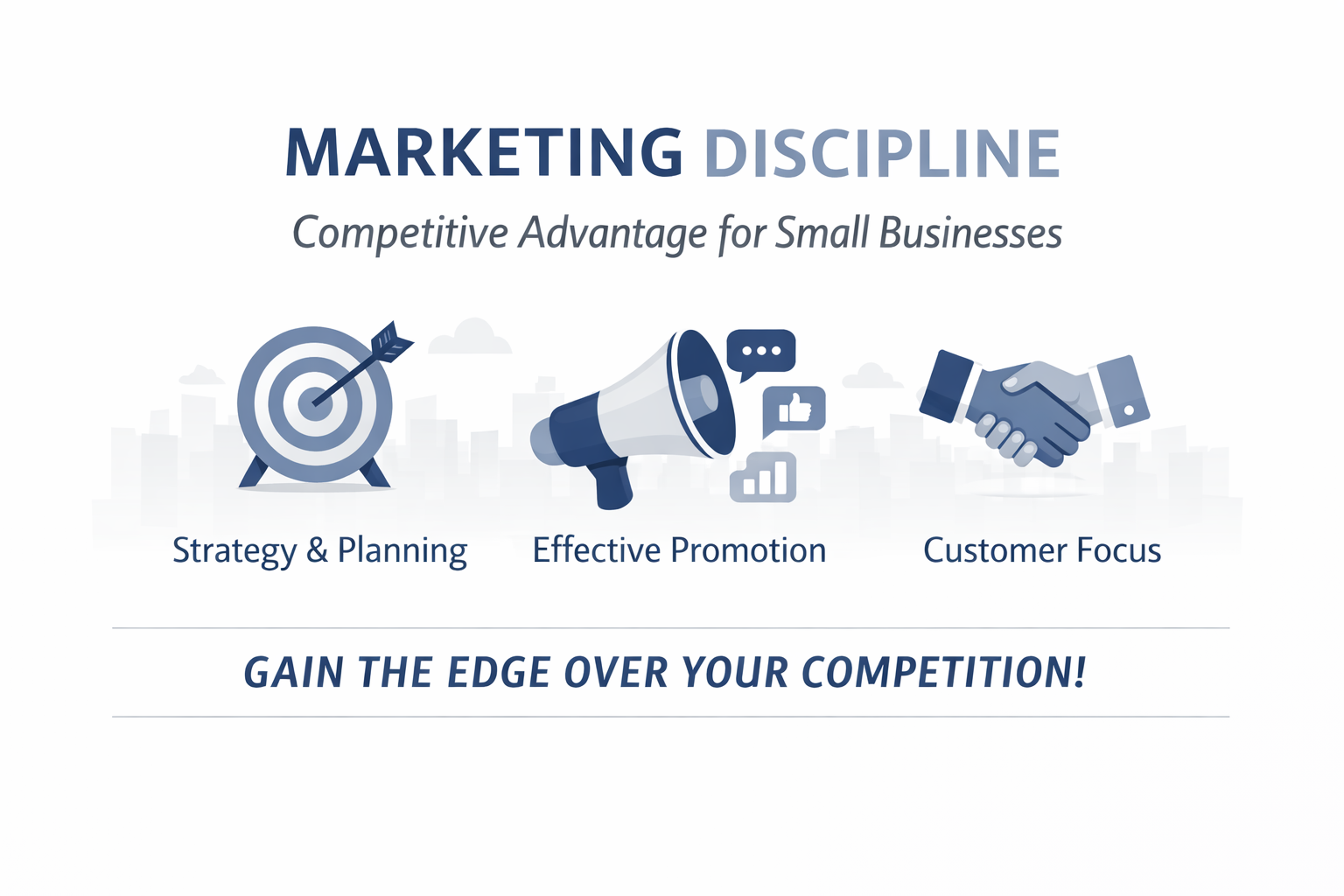
Recent developments across search platforms, advertising systems, and privacy standards have quietly reshaped how effective marketing works for small businesses. At SMBinfo, the conversations we are having with clients are less about chasing new tactics and more about restoring order to marketing operations that have grown fragmented over time. This shift reflects a broader trend toward discipline, consistency, and accountability.
One area drawing increased attention is search visibility. Search systems continue to reward organizations that publish clear, consistent material tied to specific areas of expertise. Businesses that regularly revisit and refine their core service pages tend to perform better than those that rely heavily on short term campaigns. This does not require a high volume of content. It requires accuracy, relevance, and a clear connection to what prospects are actively researching. When content is treated as infrastructure rather than promotion, it supports both inbound discovery and sales enablement.
Advertising strategies are also changing. Many small businesses are discovering that rising costs make broad targeting inefficient. Campaigns that perform best are built on narrow audiences, precise messaging, and realistic expectations for conversion timing. This approach depends on well maintained internal data. Clean CRM records, verified consent, and accurate lead attribution now play a direct role in advertising efficiency. Without these foundations, even well funded campaigns struggle to deliver reliable outcomes.
Another important trend involves planning cadence. Annual marketing plans still provide value, but they are increasingly paired with quarterly reviews that allow teams to respond to performance signals and market conditions. Businesses that evaluate results more frequently tend to allocate budgets more effectively and avoid extended periods of underperformance. This rhythm also improves internal alignment by keeping leadership, marketing, and sales focused on shared priorities.
We are also seeing a more measured approach to experimentation. Instead of launching multiple initiatives at once, effective teams are testing one change at a time and documenting results carefully. This method reduces confusion and builds institutional knowledge. Over time, these incremental improvements compound into meaningful gains.
Taken together, these trends point toward a more mature marketing posture for small businesses. Success is less about volume or novelty and more about structure, accuracy, and follow through. At SMBinfo, we view this as a positive development. Marketing systems built on discipline are easier to manage, easier to measure, and better suited to long term growth.
Summary Tip: Strengthen marketing performance by focusing on structured content, accurate data, and regular planning reviews rather than frequent tactical changes.